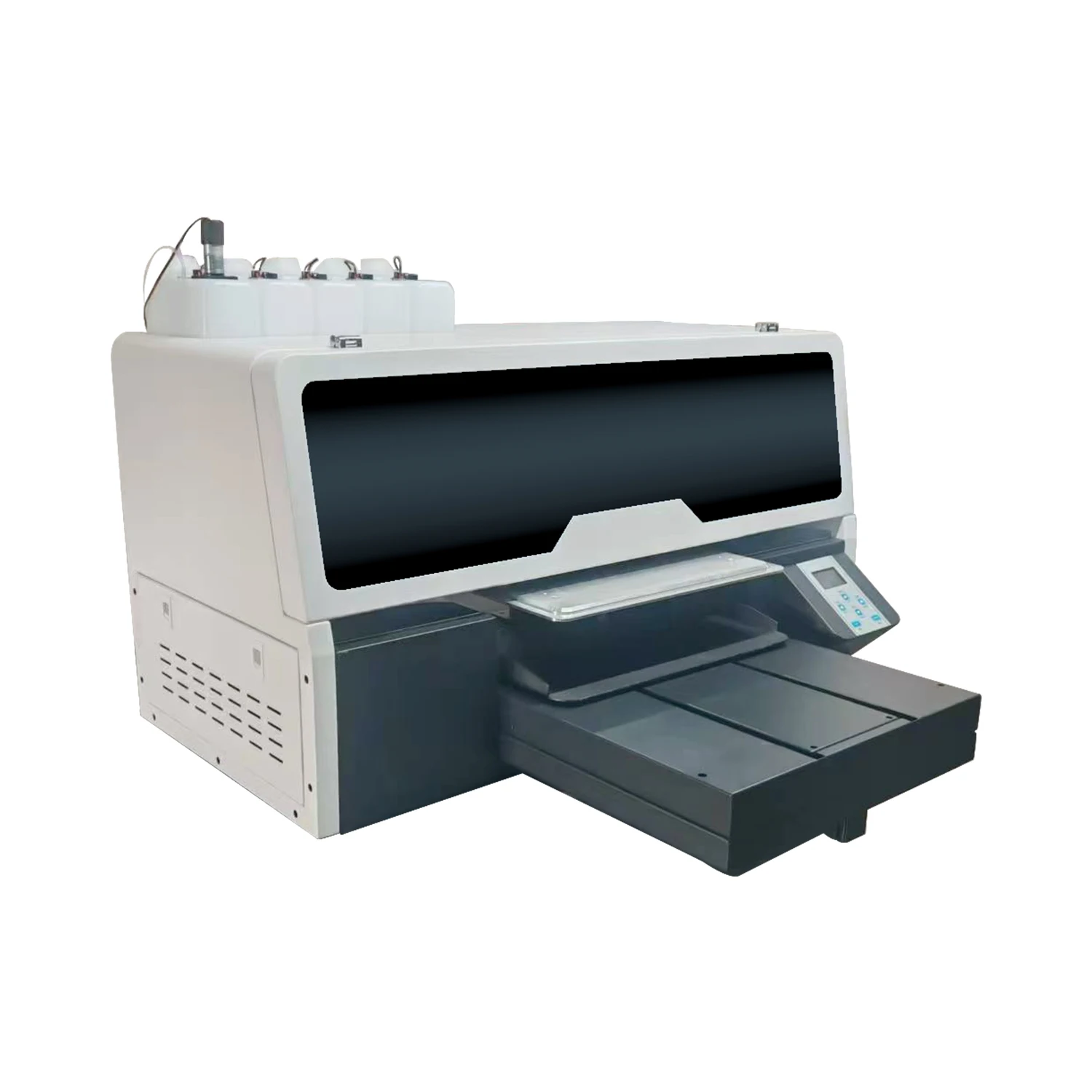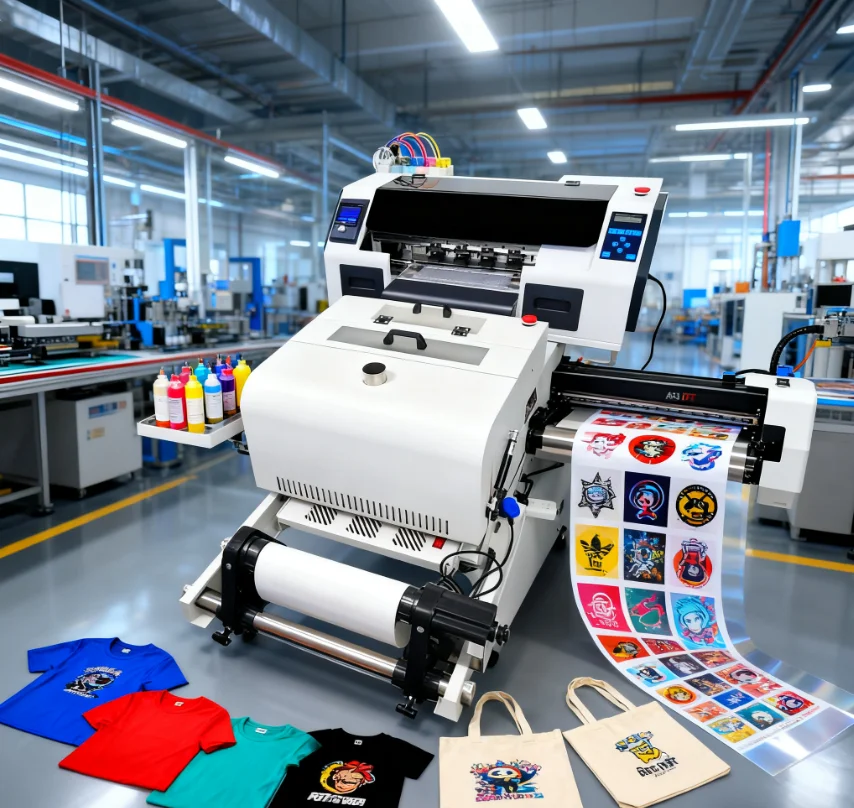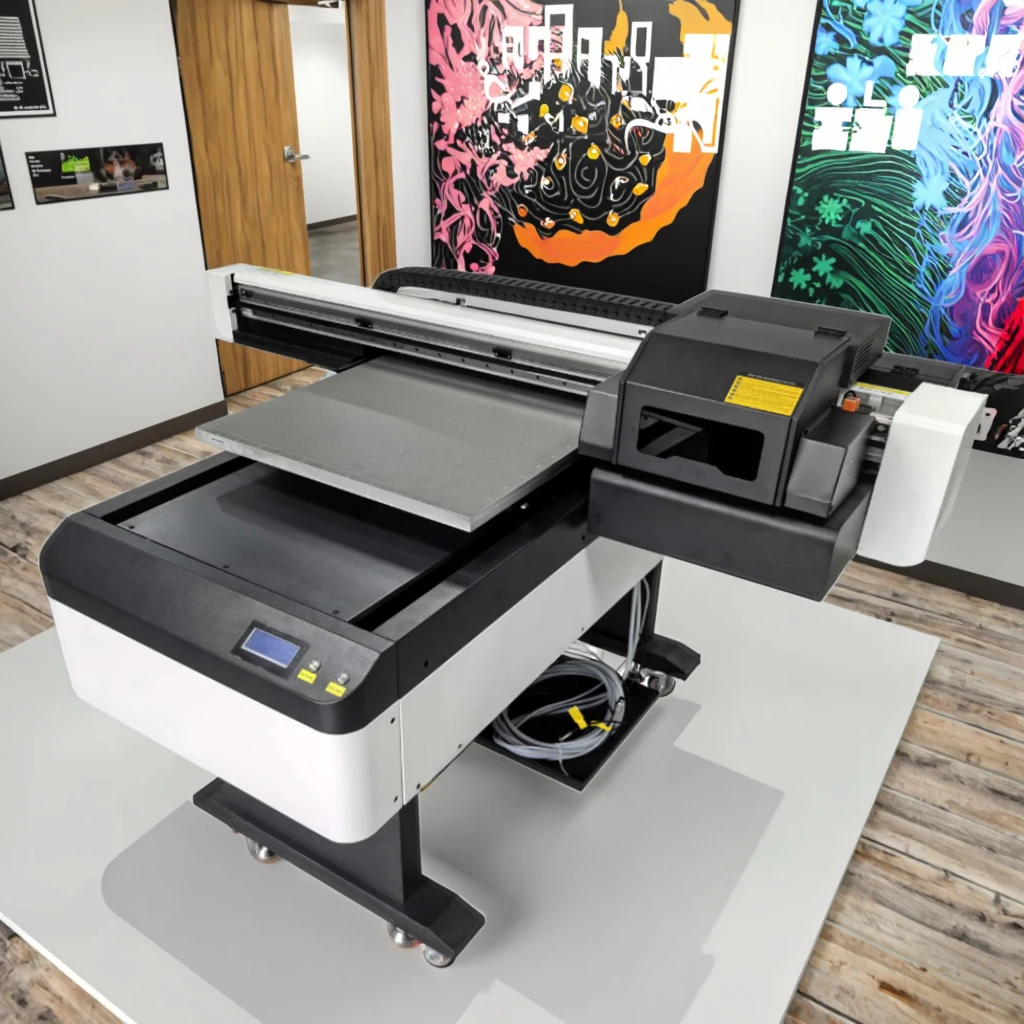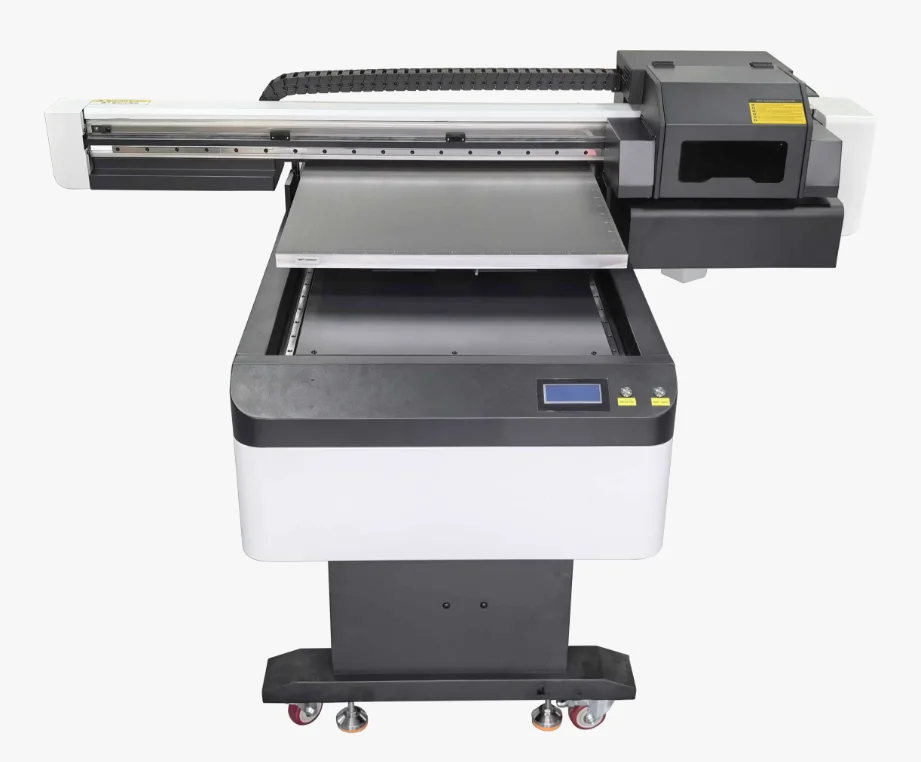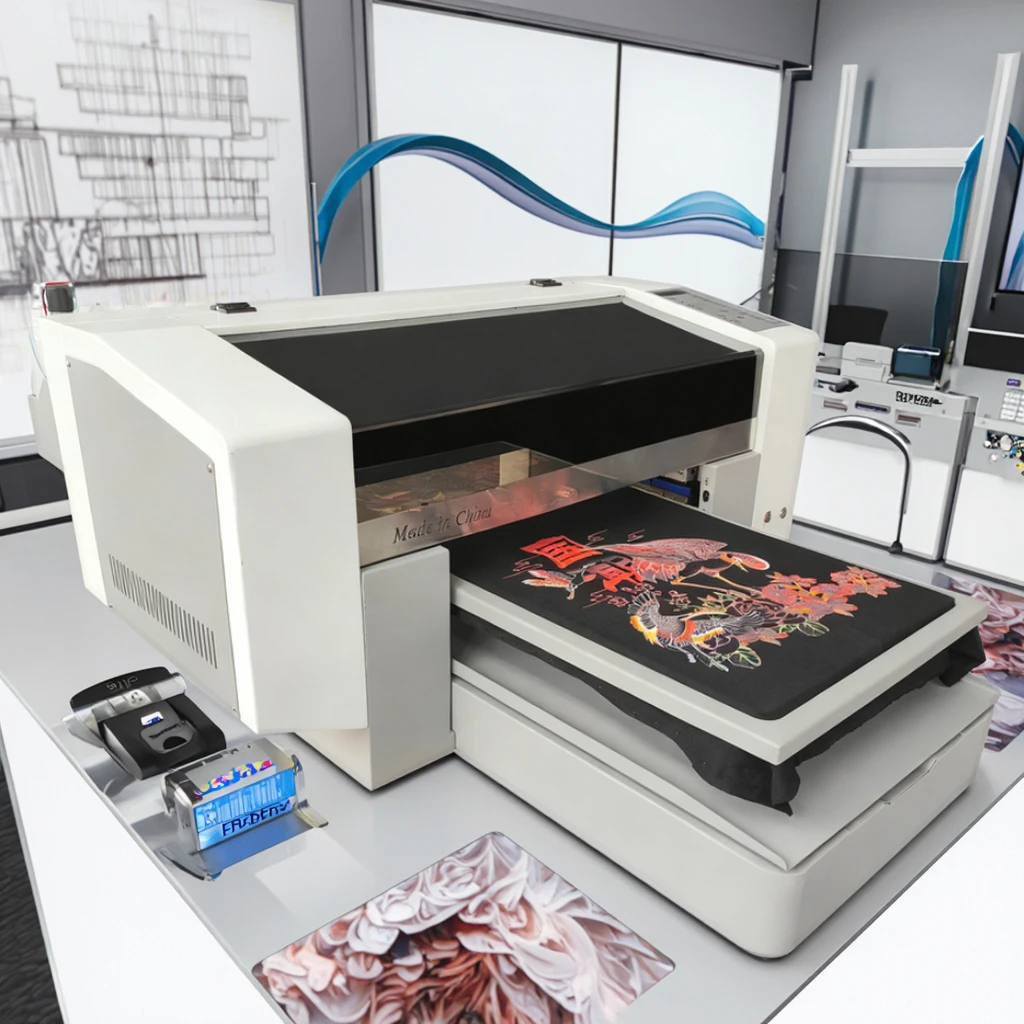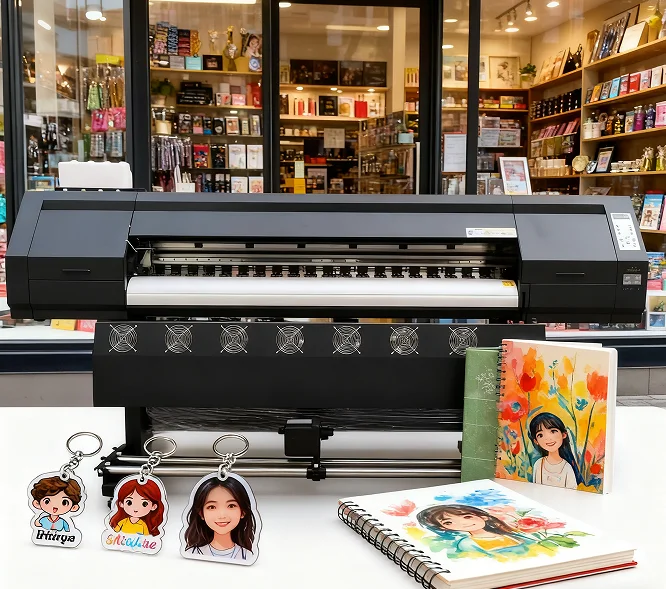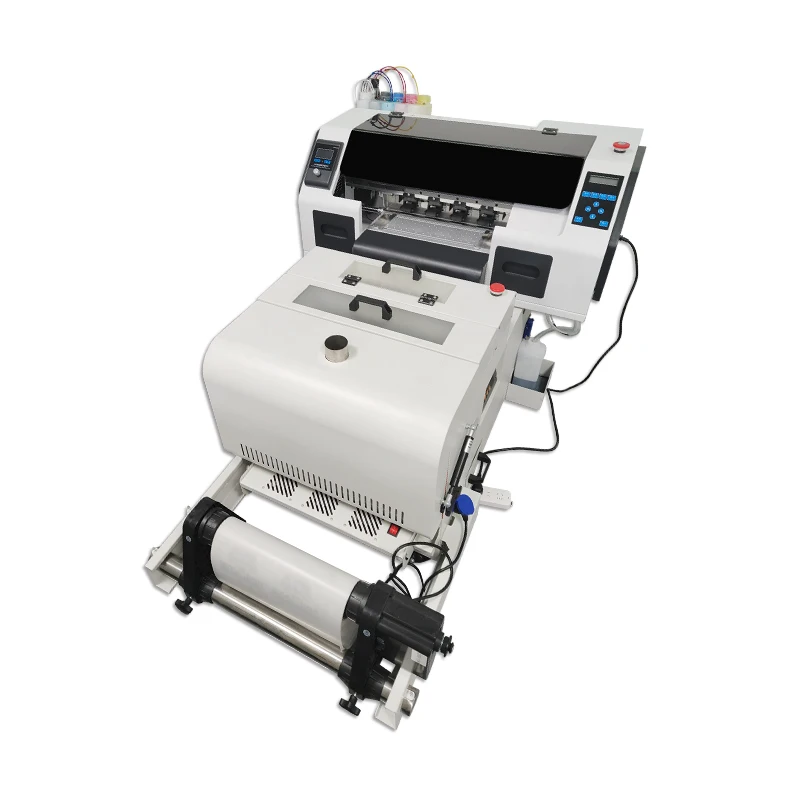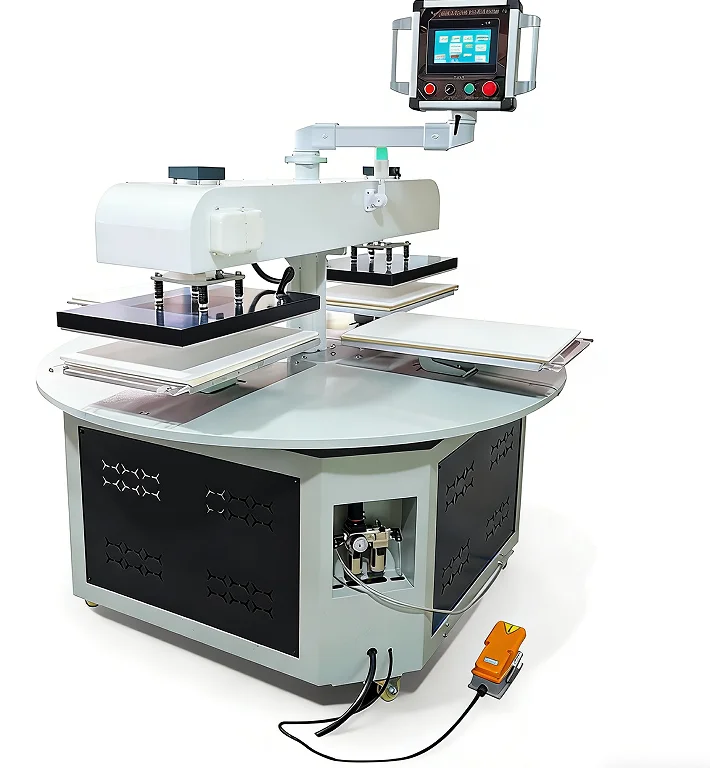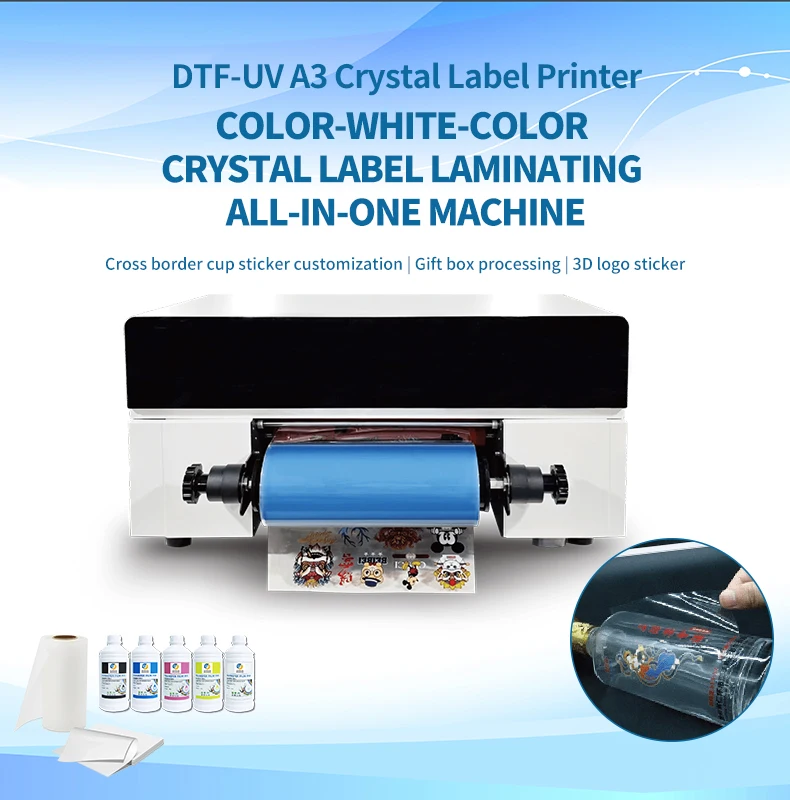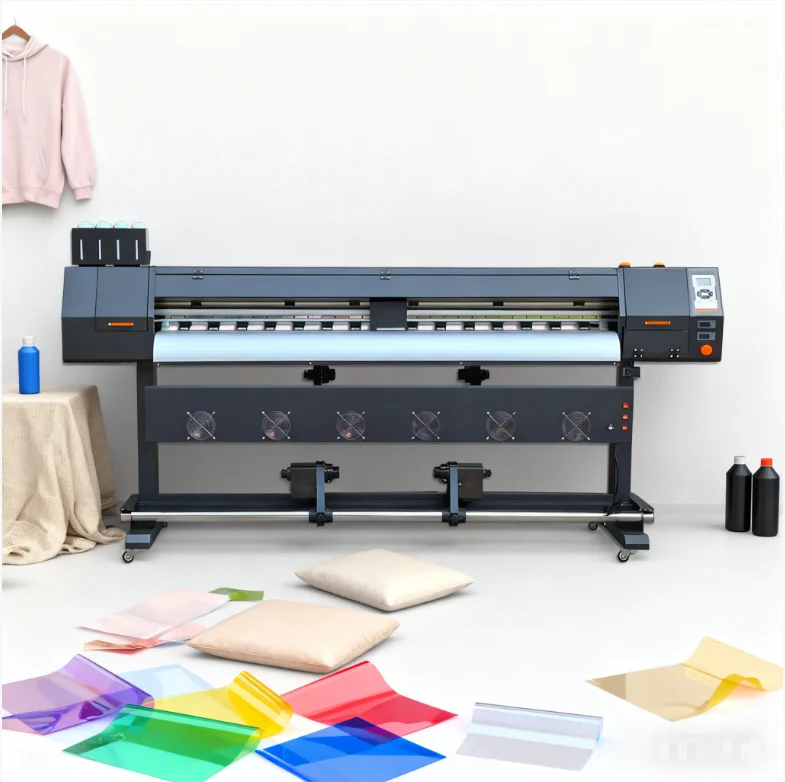
Inkjet printers can do much more than print on paper. Today, people can use special inkjet printers to print colorful designs directly onto clothing. It is a playful way to show creativity and custom design clothes. You can print everything from cool T-shirts to chic bags if you have the right kind of inkjet printer. Firms like ERA SUB deliver inkjet printers that are very good for fabric printing. If you are looking to get into printing t-shirts, learning how to choose a t-shirt printer is crucial. This means you can create stunning ink jet printer for shirts designs that look fantastic and will last.
If you’re searching for an inkjet printer to print on fabric, here are a few things to consider. First, you need to find out whether the printer you're eyeing supports fabric printing. Not all inkjet printers are built for this. You’ll want a printer featuring special inks formulated for fabric, so your designs don’t wash out after doing the laundry. See that the resolution of the printer's print head is fine. (Related: A high-resolution printer will give you bright colors and sharp designs. The speed of the printer is another factor to consider. It’s useful to note if you’re going to be printing a lot of apparel, moving faster can save a busy shop untold amounts of time. A printer that can use a variety of fabric is also added incentive. You may want to print on cotton, polyester, or a combination of the two: Find a printer that does it all. It’s always a good idea to look for reviews from other people. It could provide some real feedback on how good a printer is. Do note the expense of the printer itself, but remember to factor in the flatbed inkjet printer price for ink and fabric. ERA SUB provides you with a range of options for finding an attractive blend of price and quality. You might also consider if you want a simple-to-set-up-and-use printer. Some printers include software to assist you with creating designs, so that can be a great resource if you are just getting started.
Discovering wholesale inkjet printers for clothing can be thrilling and challenging simultaneously. For starters, many online marketplaces have large quantities of inkjet printers. You can look for platforms dedicated to B2B sales (stock from manufacturers like ERA SUB will be there a lot of the time). To the extent you can, buy in bulk, because normally that’s where you’re going to get a far better price. Or, you can try out printing and textile trade fairs. These are the best because you can see the printers going and talk to folks from the company. They can walk you through different models and their features. Also, you might want to check local dealers of printing equipment. If you have a relationship with a local supplier, you may get more personalized service. They may even give you a demonstrator model so you can see the printers in action before you purchase. Be sure to inquire about warranties and customer service. It’s nice to have a good support system in case you encounter any problems later. In the latter inkjet flatbed printer case, however great a deal you find, make sure there’s a premise of settling for printer that meets your needs and those of your business. You want a machine that’s going to work hard for you and allow you to make beautiful designs with no headaches. This is especially vital in a fashion industry that requires high quality fabrics and garments.
If you want to purchase inkjet printers for custom clothing, a great source is from wholesale stores. Products sold at warehouse stores may be sold in bulk, which can translate to lower prices. If you are interested in purchasing an inkjet printer to print on fabric, one of the places that you could start is at a print supply store or a fabric store. And there are websites of such stores where you can buy printer online as well. This can be a time-saver and allows you to compare prices. For example, search for stores that sell printers made for fabric or textiles. Another good idea is to visit trade shows or exhibitions for printing and textiles. At these gatherings, exhibitors often show off new products - and that includes inkjet printers suitable for making custom clothes. While you’re there, you can ask questions, observe the printers in action and even negotiate deals for wholesale prices. You can also have a look at our brand website, ERA SUB. We frequently have printers on special that are especially good for printing on garments. It’s also a great idea to check out reviews online. These reviews will let you know what other people think about the printers. Certain types of heat machine press fabrics cooperate with some printers better than others do. With some searching, you'll uncover an inkjet printer that meets your needs and budget. You will also need something that prints well and does not fade over time, so it is a good idea to take into account the quality of the printer when ordering.
It is crucial to select the correct type of ink when you aim to print on fabric with an inkjet printer. There are a couple of types of ink that perform the best for printing on fabric. One of the most common types is that of dye based ink. This is bright, colorful ink that make designs pop on clothing. The dye-based inks absorb into the fibers or threads of the fabric making them soft to the touch. Another option is pigment-based ink. This kind of ink can be durable. It lasts longer after washing, and colors remain vibrant even after being washed multiple times. So that’s something to keep in mind if you want your designs looking great well into the future. Some printers, like ones from ERA SUB, are even made to use either dye or pigment inks so you can choose. You should also learn about fabric-specific ink. They are generally applied directly to the garment and must be cured with heat after printing. Heat setting is the act of adding heat to make it really stick nice and good on fabric. Also, the type of fabric you are trying to print on will determine which ink to select. For instance, cotton fabric is ideal in combination with dye-based inks and synthetic materials might need pigment-based inks or even specific speciality inks made specifically for that type of material. Ultimately, choosing the right kind of ink does make a difference in that your design should look great and stand the test of time.
 EN
EN