 EN
EN

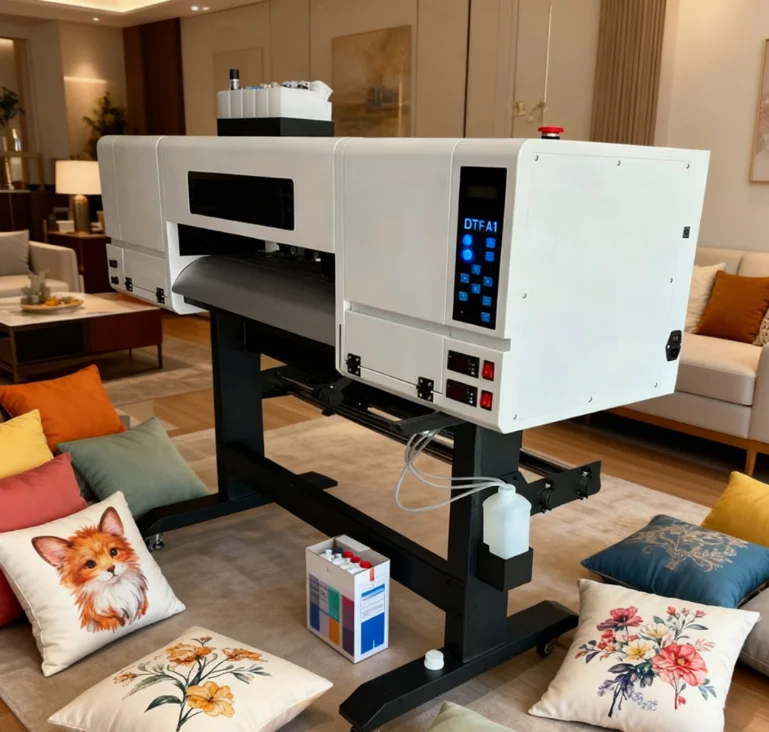
Direct-to-Film (DTF) transfers using sublimation printer can be a fun way to produce your own custom designs on t-shirts, bags and garments. We understand there can be some real benefits to be gained from DTF transfers here at ERA SHOP. For starters, you’ll need a sublimation printer and some special film. First you will need to create your art in graphic design software. Then, print your design onto DTF film. Once you have that print, get a powdered adhesive sprinkled on the wet ink. This aids in the ink adhering to the fabric. Next, press your design onto the heat transfer vinyl. Just be sure to adjust the time and temperature accordingly. This results a clear and vibrant transfer. Overview Let’s examine a few issues that can happen when using DTF transfers along with sublimation printers and explore why many bulk hat buyers prefer DTF transfers.
What are Some of the Common Problems with DTF Transfers and Sublimation Printers?
Some issues can occur when using DTF transfers with sublimation printers. One of the frequent issues is smudging of the ink as it prints out. This can occur if the film is not positioned properly in the printer, or if there are incorrect settings. That’s because, for instance, if the ink is still wet when you added your adhesive to a card raw edge, it may smudge your design. It also has to do with the temperature settings. If the temperature is too high, the film may burn and its colors appear washed out. You need to first try out different heat settings on scrap objects before moving onto the real thing. You may also run into issues with the transfer not adhering to the fabric as well. This can happen if the fabric is not suitable with the DTF transfer, or when we don’t apply enough pressure during the heat pressing. The right fabric, such as cotton or polyester, is key to good adherence. Additionally, neglecting to prepare and cleanse the top of the fabric can cause poor outcomes. Dust and dirt may cause the transfer not being adhered to your hands correctly. Also, the powder should be dabbed on smoothly. Spots of thickness can lead to uneven transfers. So take care when applying the powder not to do this. And finally, consider your environment. Humidity can change the way the transfer sticks to your fabric. Adhesive will Clump and become more sticky in high humidity. When you struggle with these concerns, keep in mind that practice makes perfect. Shit, we learn for next time how to be better DTF transfers.
Why DTF Transfers a Favored Option of Wholesale Buyers?
There is a lot to like about DTF transfers and they are quickly becoming the go-to choice for wholesale buyers. First, they offer great quality. The colors are bright and vibrant, and help the designs pop out. That is crucial for companies hoping to locate customers. Another reason is flexibility. DTF transfers are applicable to many types of material such as cotton, polyester, and blends. That is, wholesale buyers can produce a variety of products and not have to invest in alternative printing methods. For instance, a t-shirt clothing company can effortlessly produce t-shirts and hoodies with the DTF method. Cost-effectiveness is another big plus. Bulk buying of DTF transfers is usually cheaper than individual. Whole-sale buyers can add more prints up to a certain point at limited expense. For small businesses looking to minimize costs while providing unique products, this is especially useful. And also, DTF transfers are easy to store and work with. They are less bulky other printing methods, which suits business with limited space. And, the application is faster. That means fulfilling orders can happen more quickly, and customers are happier. Finally, DTF transfers can be tailored. Bulk purchasers can also easily make custom designs for a special occasion or promotion, which would set your business apart in the competitive field. All of these things make DTF transfers such a great choice for wholesale buyers who desire both quality and selection and want them fast.
How to Make Your DTF Transfer Process the Most Efficient Possible
DTF transfers with s sublimation printer can be enjoyable and rewarding. To accomplish this rapidly and effectively, you need to be organized and ready. Now get all your supplies ready. -This is including anything you are using, such as your Sublimation Printer (in good working condition), DTF special transfer paper, Heat Press and the garments that you want to decorate. There’s nothing like centralization to help you work more quickly. Before you hit “print”, make sure your printer has enough ink and is properly manipulated. That way there are no problems down the road. At printing time, select the appropriate design. You can even invent your own images, or use ones you find online. Ensure the design is appropriate for your clothing size. After you are satisfied with the design go ahead and print on DTF transfer printer. It’s crucial to adhere to your printer’s usage instructions so the colors are as fabulous looking.
After printing, cool the transfer paper for about a minute. Now’s a good time to get your heat press ready. Pre-heat it to the correct temperature typically around 350 degrees Fahrenheit, but check your transfer paper packaging instructions. Lay your garment on the bed of the press when it is warm/hot. Next, grab the transfer paper and place it on top of the shirt where you want the design. Lower the heat press and time it for around 15 seconds. When time is up, open the press carefully. Let everything cool before you peel away the transfer paper. This part is pretty crucial, as it aids the design in getting a good grip on the material. In this way and with some organization, you are able to deliver DTF transfers fast and easy using your sublimation printer. At ERA SUB we wish you to have fun and produce stunning customized outfits.
What Are The Advantages Of Dtf Transfers For Custom Apparel?
Using DTF transfers for custom clothing has a lot of great advantages. One of the biggest perks is that DTF transfers are able to produce vibrant designs. That means your t-shirts, hats and bags can have some bright images that really pop. DTF transfers don’t have those limitations, and they can accommodate designs with lots of color and detail. They are great for making your own garments, showing off your personality. A second positive is that DTF transfers are extremely durable. When they are done right, the designs can last through endless washes without losing color. That means you can wear your favorite design custom shirt every day, all season long.
DTF transfers are simple to use as well! You don’t have to be an expert to sew beautiful clothing. Sublimation printing and a heat press can be used by virtually anyone to create personalized clothing whether in your home or small business. This makes it an ideal option for entrepreneurs interested in launching their own shirt-making business. You can make practically anything with your designs, such as t-shirts, hoodies and tote bags. Plus, DTF transfers work on lots of different fabric types, meaning you have more to choose from when it comes to what you can produce.
A really great thing about DTF transfers is that it offers monetary reasons. The materials required to create DTF transfers, such as the paper and ink, aren’t too pricey. That means you can make a bunch of custom clothing items without spending a lot yourself. Here at ERA SUB, we think everyone should have the opportunity to make their own custom clothes. We find that DTF transfers are really fun and very cost effective for us to make it happen.
How to Solve Common DTF Transfer and Sublimation Printer Problems?
Occasionally, DTF transfers don’t work out the way you’d like. But don’t worry! Solutions to common problems exist. One problem you will soon encounter is that the colors don’t come out correctly. If your design does not look vibrant on the fabric or appears faded, you may need to replace the ink in your printer. Check your ink level first before you begin printing. Assuming the ink levels are good, attempt to clean your printer’s print head. The nozzles can become clogged with dust and dried ink, causing those colors to look bad. There is usually a cleaning option you can use in most printers.
Another typical issue is that the transfer does not adhere to the fabric very well. This occurs when you do not apply enough heat or pressure with the heat press. It’s important that your press is at the correct temperature, which in most cases will be around or above 350 degrees Fahrenheit. And make sure you press for the correct length of time. If you press too short, the design can peel off. It can scorch the fabric if you press for too long.
Finally, if you have peeling of the edges, it could be a sign that your transfer paper is not suitable for the fabric you are using. Always consult the instructions for both your transfer paper and fabric. By following these best practices and finding ways to counter problems as they arise, you can make DTF transfer machine a lot easier. We want you to be happy with your custom apparel items, and we’ll do whatever it takes to make your purchasing experience as smooth and easy as possible.
Table of Contents
- What are Some of the Common Problems with DTF Transfers and Sublimation Printers?
- Why DTF Transfers a Favored Option of Wholesale Buyers?
- How to Make Your DTF Transfer Process the Most Efficient Possible
- What Are The Advantages Of Dtf Transfers For Custom Apparel?
- How to Solve Common DTF Transfer and Sublimation Printer Problems?